About Project

The project is co-financed
by the governments of Czechia,
Hungary, Poland and Slovakia
through Visegrad Grants from the
International Visegrad Fund.
The mission of the fund is to advance
ideas for sustainable regional
cooperation in Central Europe.

https://www.visegradfund.org/

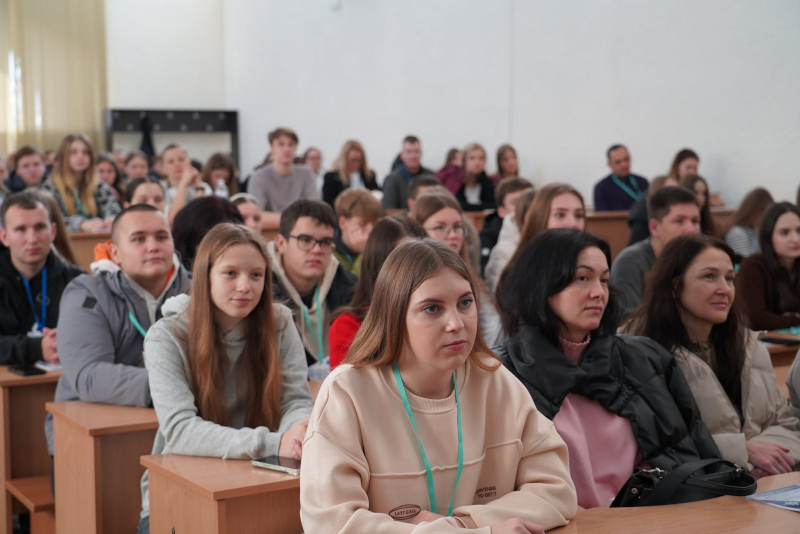
The project aims to develop informal education for public leaders through cooperation between universities, local governments, civil society organizations, and public institutions. The main focus of the project is to share the experience of the Visegrad Group with young public leaders in Ukraine in the context of community development and European integration.

The novelty of the project is presented in three aspects: 1. The project will share the experience of local communities in the Visegrad Group countries in strategic development and implementation of European integration principles. The V4 Group was formed to support the idea of European integration and promote the positive aspects of integration, including for communities and local self-government. Combining this experience with Ukraine’s experience of coping with the challenges of war and planning post-war reconstruction will help shape a new mindset among public leaders, who will be effective in building their own communities. 2. Some of the lectures and seminars in the informal learning program will be devoted to the issue of data-driven local community policy-making. In particular, we plan to offer training on how to collect, analyze, and use data for policy-making. This will enable participants to learn how to effectively develop community recovery policies and plan data-driven activities. This approach will significantly enhance the effectiveness of policies and their transparency for international donors. 3. The project aims to engage veterans who are returning to their communities and want to improve skills for civic and political engagement. This will promote the integration of veterans into communities and increase the resilience of communities. The results of this project will be summarized in a book that will be publicly available and will allow for the wide dissemination of various dimensions of public leadership in the Visegrad Group countries and Ukraine.

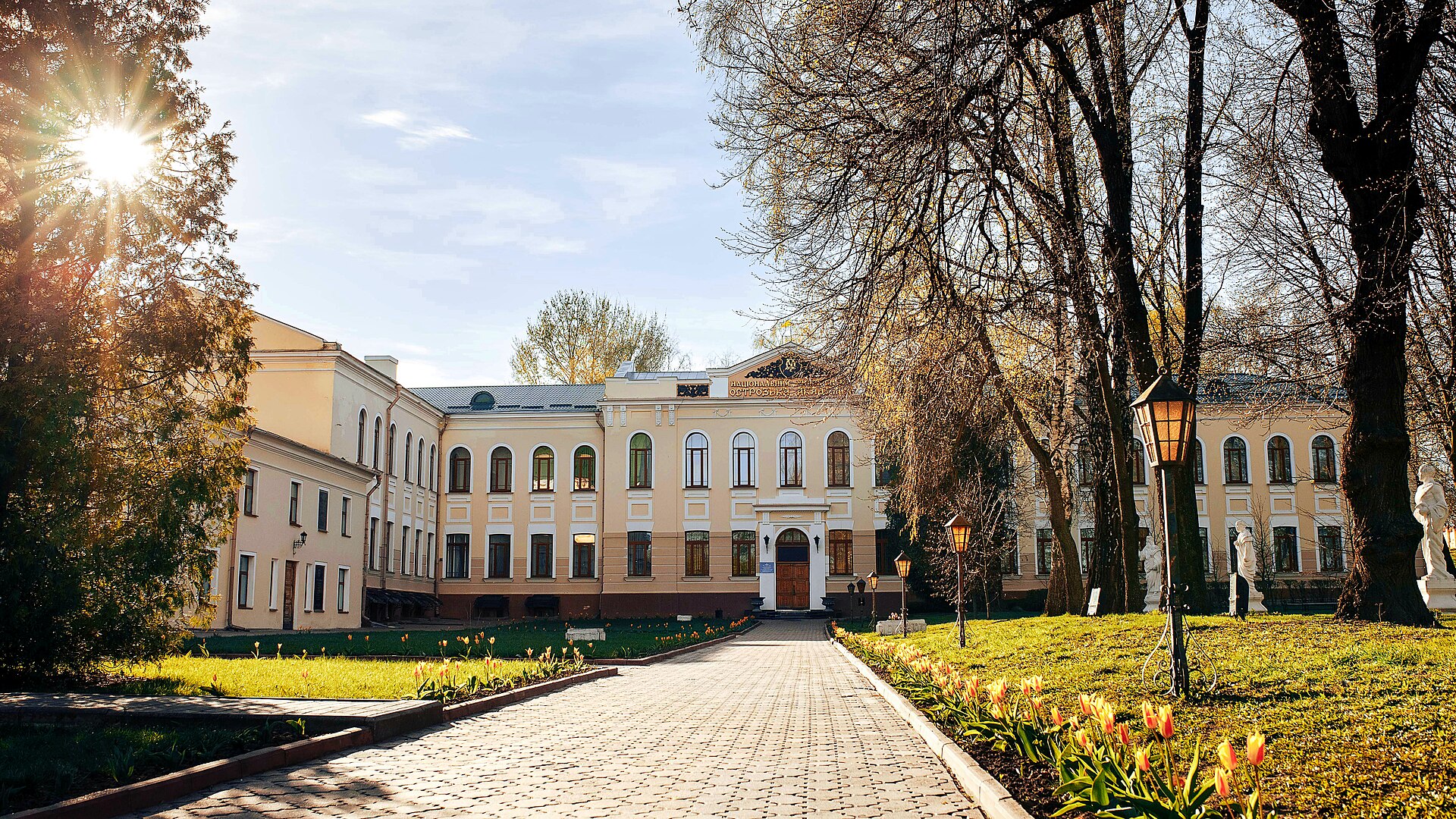
The project and its results are significant for the Rivne and Volyn regions. As part of the administrative reform, discussions are underway to create a macro-region that would unite these two regions. The National University of Ostroh Academy works closely with the local council of Ostroh (which has agreed to be a partner and pilot implement the acquired experience), as well as with other local communities (Rivne, Lutsk, Hoscha, Derazhno, Sarny, and others). Communities from the Khmelnytskyi region (in particular, Netishyn, Slavuta, and Starokostiantyniv), as well as communities from the Kyiv and Sumy regions that participated in our projects on veterans’ integration, will also be involved in the project. Thus, we will focus on the territory of historical Volhynia (Rivne and Volyn regions), but will involve representatives from different regions of Ukraine in the project. In particular, as part of our cooperation with the Hoshcha Village Council (Rivne region), we will involve representatives of the relocated city of Bakhmut, whose residents have been displaced to the Rivne region. Cooperation with veteran public organizations is also important, as it will allow us to involve their active representatives in training with the aim of developing public leaders for local self-government (in particular, we plan to develop our cooperation with institution “Veteran Space” of the Rivne Regional Council). Our region is near the Ukrainian-Polish border; the project’s results will be valuable for strengthening cross-border cooperation at the local government level.